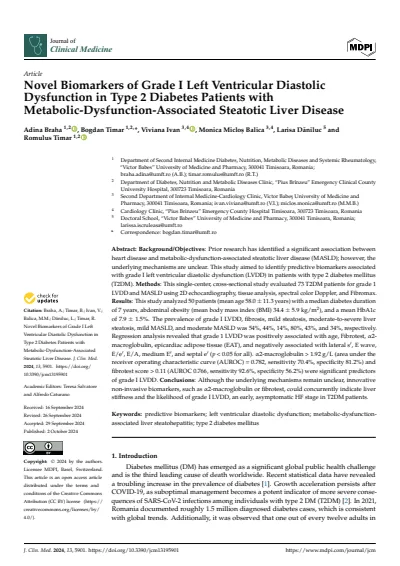
Optimized stepwise combination algorithms of non-invasive liver fibrosis scores including Hepascore in hepatitis C virus patients.
Abstract
Background
Non-invasive liver fibrosis scores such as Hepascore (HS) have been proposed as an alternative to liver biopsy in hepatitis C virus (HCV)-infected patients.
Aim
To validate HS as an alternative to liver biopsy and Fibrotest (FT) and propose five optimized combination algorithms to improve diagnostic accuracy.
Methods
The cohort included 467 patients with HCV. There were 274/467 (59%) men, and mean age was 47 +/- 12 years.
Results
Hepascore area under ROC curves (AUC) for > or =F2, F3F4 and F4 diagnosis were 0.82, 0.84 and 0.90 respectively, in the same range as FT. HS and FT were concordant in 387/467 (82%) for fibrosis staging. Among these patients, 342/387 (88%) were concordant with liver biopsy. AUCs of aspartate aminotransferase (AST) to Platelets Ratio Index (APRI) and Forns for > or =F2 were 0.76 and 0.73 (0.65-0.79) respectively. The algorithm combining APRI and HS had the highest rate of avoided liver biopsies (45%) with a high diagnostic accuracy (91%).
Conclusions
Hepascore is an accurate non-invasive marker for > or =F2 and F4 diagnosis in HCV patients. In a pragmatic approach, a stepwise optimized algorithm combining APRI and FT or HS considerably increases diagnostic accuracy and avoided liver biopsies.
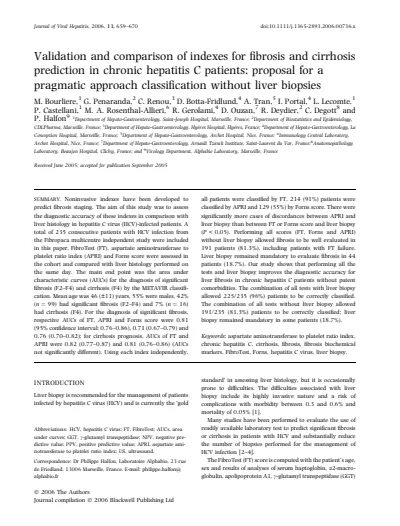
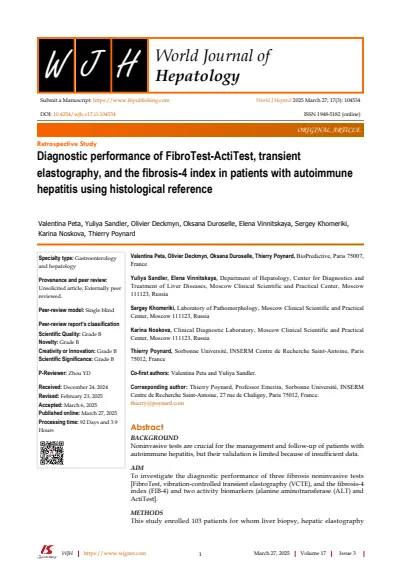
Diagnostic performance of FibroTest-ActiTest, transient elastography, and the fibrosis-4 index in patients with autoimmune hepatitis using histological reference.
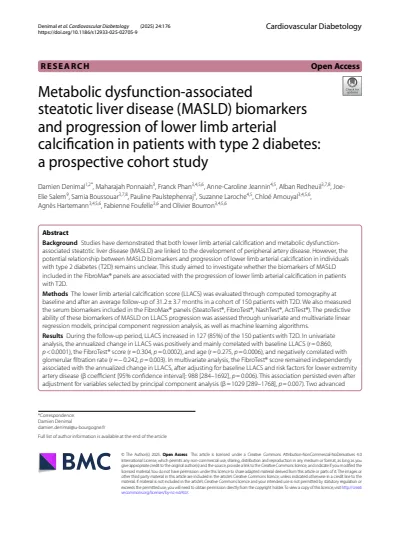
Metabolic dysfunction-associated steatotic liver disease (MASLD) biomarkers and progression of lower limb arterial calcification in patients with type 2 diabetes: a prospective cohort study.
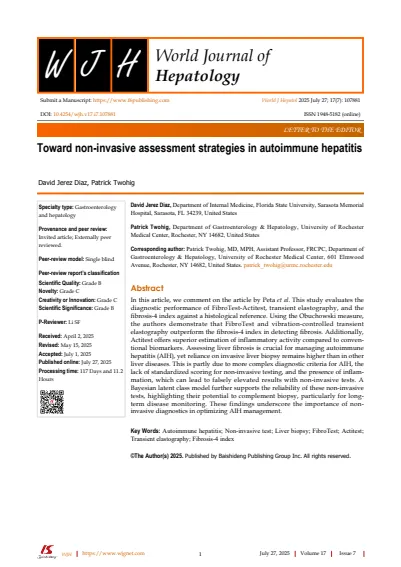
Toward non-invasive assessment strategies in autoimmune hepatitis.
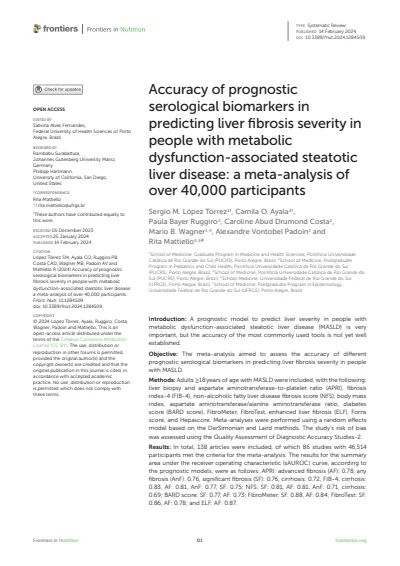
Accuracy of prognostic serological biomarkers in predicting liver fibrosis severity in people with metabolic dysfunction-associated steatotic liver disease: a meta-analysis of over 40,000 participants.
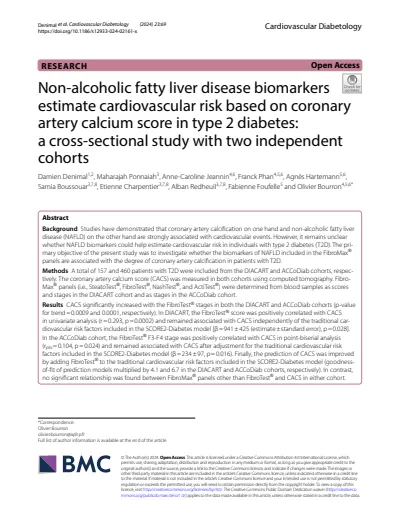
Non-alcoholic fatty liver disease biomarkers estimate cardiovascular risk based on coronary artery calcium score in type 2 diabetes: a cross-sectional study with two independent cohorts.