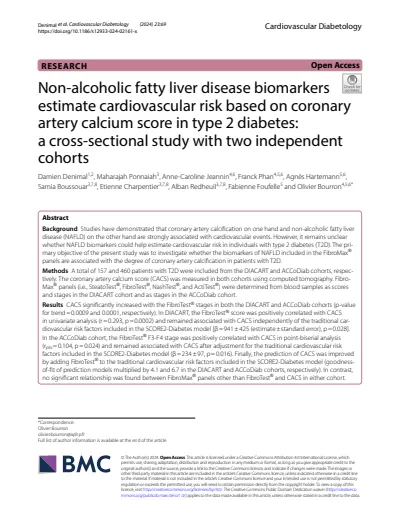
Hepatoprotective Effect of Antrodia cinnamomea Mycelium in Patients with Nonalcoholic Steatohepatitis: A Randomized, Double-Blind, Placebo-Controlled Trial.
Abstract
Objective
Nonalcoholic steatohepatitis (NASH) has become a prominent liver disease in contemporary society because of the changing dieting styles. Complicated syndromes often accompanied by obesity and diabetes makes no standard treatment for NASH. Therefore, we investigated the potential role of Antrodia cinnamomea mycelium (ACM) as nutraceutical supplementation in the treatment of NASH in this 6-month randomized, double-blind, placebo-controlled study.
Method
28 Participants were treated with three capsules per day containing either 420 mg of ACM or 420 mg of starch as a placebo. The participants were required to follow a predetermined regular visit to hospital every three months during the intervention period (6 months). During each study visit, subjects underwent anthropometric measurements and blood testing for biochemical analysis, immune function assay, inflammatory cytokines assay, and FibroMax test.
Results
The ACM supplemented group had a significant improvement in steatosis and decreased in the inflammatory marker of TNF-α after three and six months. NASH patients who received ACM showed a significant decrease in the SteatoTest mean value from 0.66 at baseline to 0.49 at 6 months (p < 0.029) and the ActiTest mean value decreased from 0.46 at baseline to 0.30 at 6 months (p < 0.029).
Conclusion
This is the first clinical investigation that explores the hepatoprotective effect of A. cinnamomea mycelium in patients with NASH. No participants experienced any adverse events during the study, which suggested that ACM is a safe alternative treatment for NASH.
Keywords — author-chosen Antrodia cinnamomea, Nonalcoholic steatohepatitis, liver inflammation, polysaccharide, randomized trial, steatosis
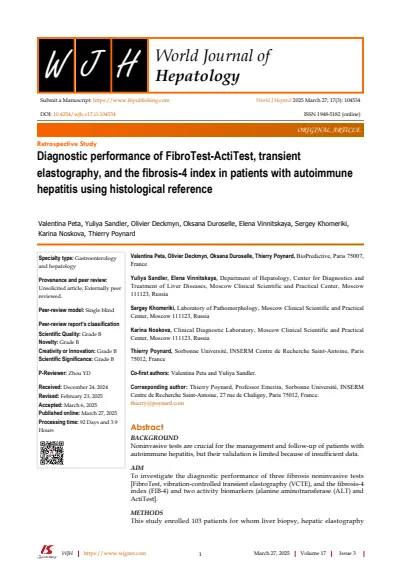
Diagnostic performance of FibroTest-ActiTest, transient elastography, and the fibrosis-4 index in patients with autoimmune hepatitis using histological reference.
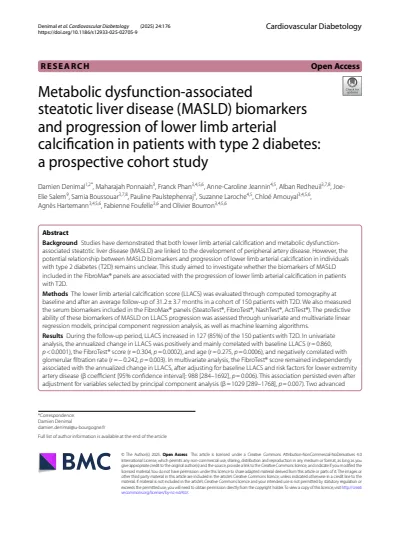
Metabolic dysfunction-associated steatotic liver disease (MASLD) biomarkers and progression of lower limb arterial calcification in patients with type 2 diabetes: a prospective cohort study.
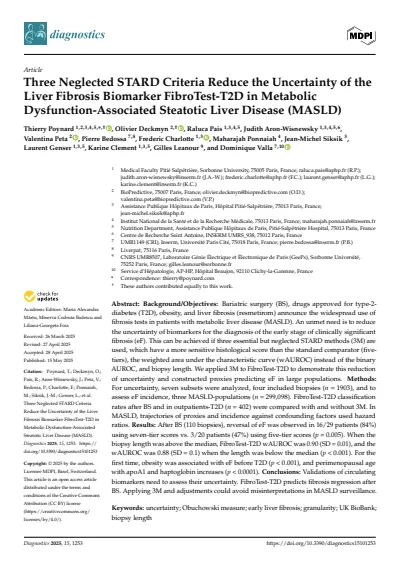
Three Neglected STARD Criteria Reduce the Uncertainty of the Liver Fibrosis Biomarker FibroTest-T2D in Metabolic Dysfunction-Associated Steatotic Liver Disease (MASLD).
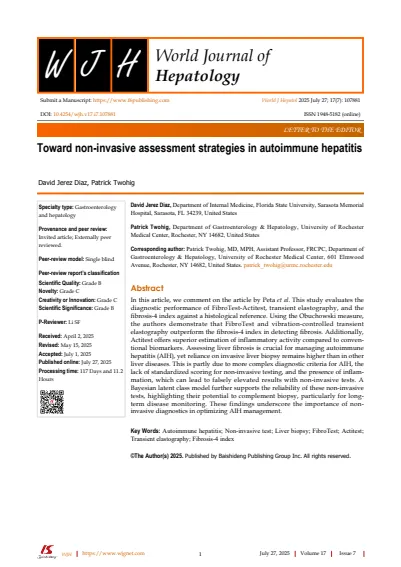
Toward non-invasive assessment strategies in autoimmune hepatitis.
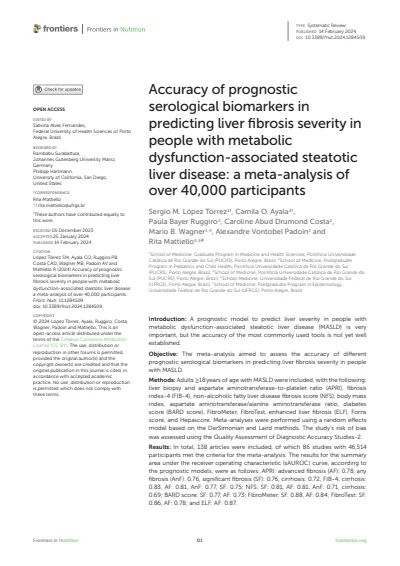
Accuracy of prognostic serological biomarkers in predicting liver fibrosis severity in people with metabolic dysfunction-associated steatotic liver disease: a meta-analysis of over 40,000 participants.